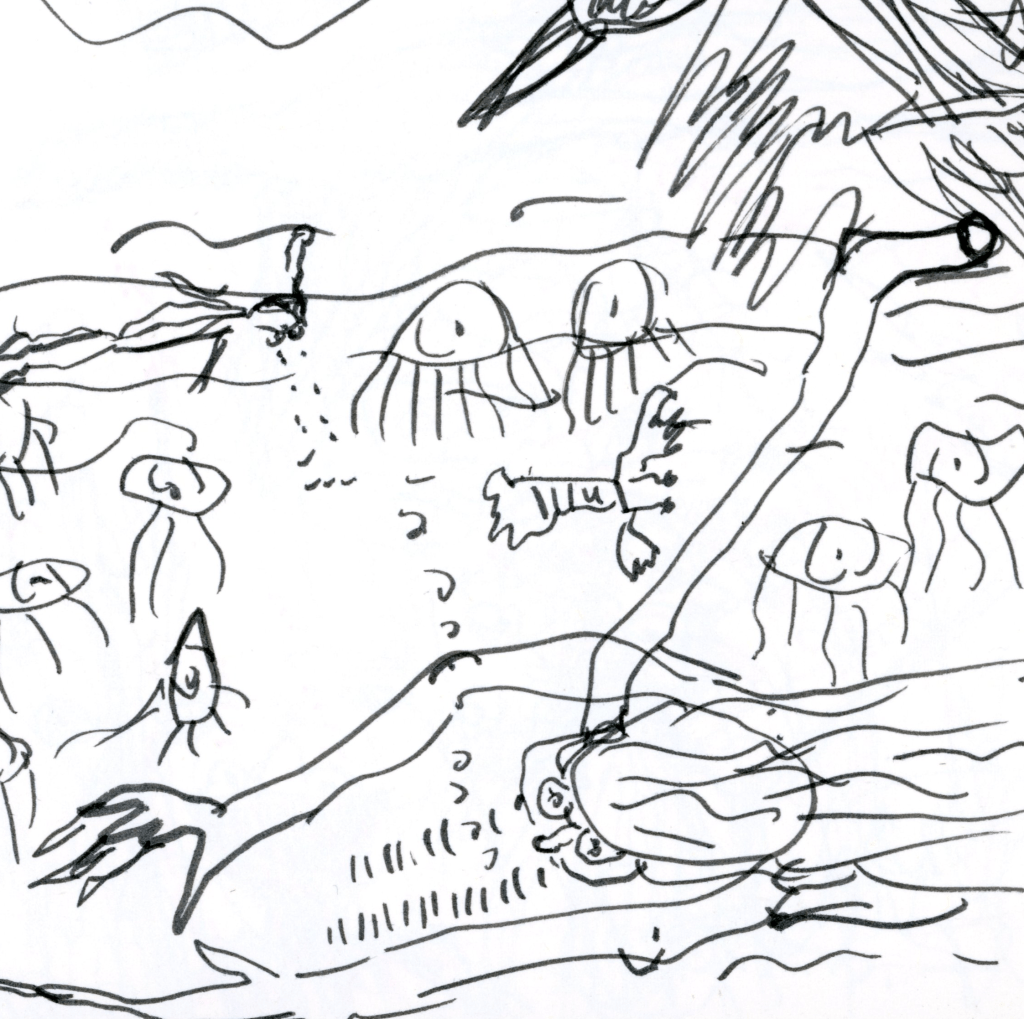
I read voraciously. I call it swimming in the ocean. Since the pandemic started, I’ve been swimming a whole lot. This is partly because my job provided me with a pot of professional development funds and the pandemic curtailed the normal opportunities to spend the money on pricey conferences and travel. So, I’ve been spending it in increments of fifteen to twenty dollars on books chock full of ideas. I’m reading about love and belonging, how fungi changed the world, modern poets, mother trees, indigenous ways of knowing, graphic medicine, cancer treatment, how to die, having a voice, community organizing, joy, having less, mindfulness and self-compassion, how to form habits. I’m reading James Baldwin, Malcom X, Jane Goodall. Also, Danez Smith, Ocean Vaung, Tony Hoagland, George Saunders, and Questlove.
Aside from the requisite medical texts, residency with two young children was a prolonged absence from the larger ocean of ideas. I sipped from poetry and squeaked out several two-bit poems of my own. When I resumed reading books outside the medical realm, it was like oiling the chain on a bike that had been left out in the rain, frozen from years of neglect. When I started up again, at first the chain squeaked like a hundred mice, but thankfully the wheels started to move. My reading habit is now fully revived, and I am increasingly curious about why we read and how it shapes our thoughts and actions, the way ideas drill into our hearts and minds, how we float and are buoyed in the resonant flow of human observations and imaginings. Does it matter what we read, how much, how often, if we read every word or skip around?
George Saunders believes that “to study the way we read is to study the way the mind works: the way it evaluates a statement for truth, the way it behaves in relation to another mind (i.e., the writer’s) across space and time.” And more, that we have something to learn from watching and noticing ourselves as we read because “[T]he part of the mind that reads a story is also the part that reads the world.”
[T]he part of the mind that reads a story is also the part that reads the world; it can deceive us, but it can also be trained to accuracy; it can fall into disuse and make us more susceptible to lazy, violent, materialistic forces, but it can also be urged back to life, transforming us into more active, curious, alert readers of reality.
George Saunders in the Introduction to A Swim in a Pond in the Rain
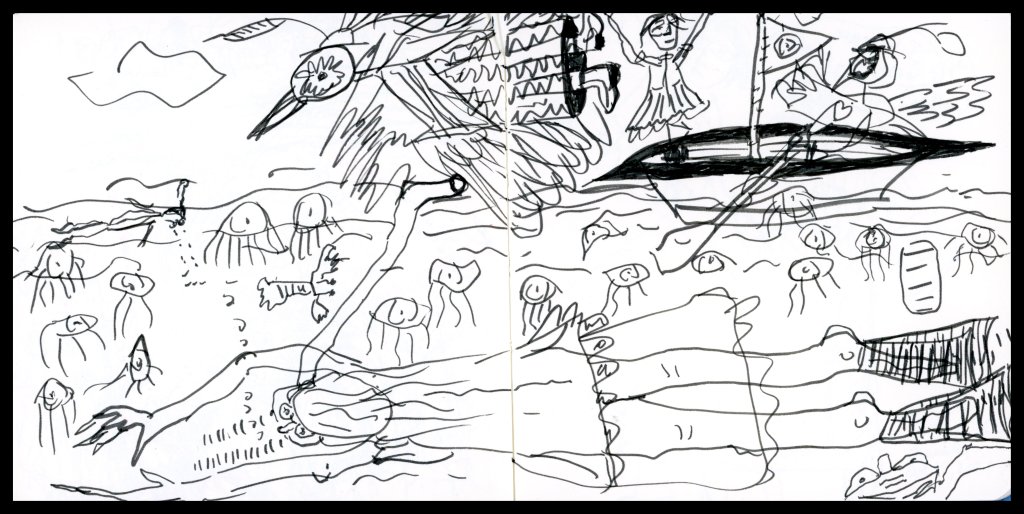
How do you read? Can you imagine a future without free access to books? If you had to keep the ideas from one book alive, which would it be?
 Sarah Averill MD